The Role of Luck in Gambling
Luck is often perceived as a major factor in gambling, where outcomes are heavily influenced by chance. Gamblers frequently talk about getting lucky or hitting a winning streak, suggesting that sometimes, despite skill and strategy, the roll of the dice or the turn of a card is what ultimately determines success. This perspective places a focus on the unpredictable nature of gambling, where even the best players can experience losses that seem to defy logic and preparation, especially at the best nongamstop casinos uk , where luck can make a significant difference. In a world where chance reigns supreme, luck becomes the elusive element that can turn a mundane betting session into a thrilling experience.
In many gambling scenarios, luck plays a critical role due to the random number generators and shuffling methods that are designed to ensure unpredictability. Take, for example, slot machines, where the randomness of the spins means that any player can hit a jackpot at any moment. This element of chance creates excitement and an air of suspense, drawing players back in hopes of that elusive big win. While some strategies may improve odds in certain games, there remains an undeniable component of luck that can make or break a session. The thrill of not knowing whether the next spin will yield riches is what keeps players engaged.
This reliance on luck brings both delight and frustration to gamblers. Many players will recount tales of incredible wins that seem almost unreal, attributing their success to fortunate circumstances. Conversely, the feeling of being on a losing streak can lead to disillusionment, where no amount of skill can change the course of fortune. The unpredictable nature of gambling can be both exhilarating and disheartening, reminding players that while they can influence outcomes to some degree, luck ultimately holds the reins. Thus, recognizing the role of luck in gambling is vital to understanding why it is both enticing and unpredictable.
The Balance of Skill and Strategy
While luck is an undeniable factor in gambling, skill and strategy also play a significant role, especially in games that require a deeper understanding of gameplay mechanics. Games such as poker and blackjack involve a combination of chance and the ability to read opponents, calculate odds, and make strategic choices. In these instances, successful players often showcase their understanding of probabilities alongside their luck in drawing favorable cards. This dynamic interplay illustrates that while luck can influence individual hands or rounds, it is skill that often determines long-term success.
The interplay between skill and luck can be illustrated in poker tournaments, where seasoned players frequently have an edge over novices. A skilled player can leverage their knowledge to maximize winnings, even when luck does not initially favor them. They may not always win hands, but they can influence the overall course of the game through strategic decisions, such as bluffing or choosing when to fold. This showcases that skill can mitigate the random nature of luck, allowing players to navigate the uncertainties of the game more effectively.
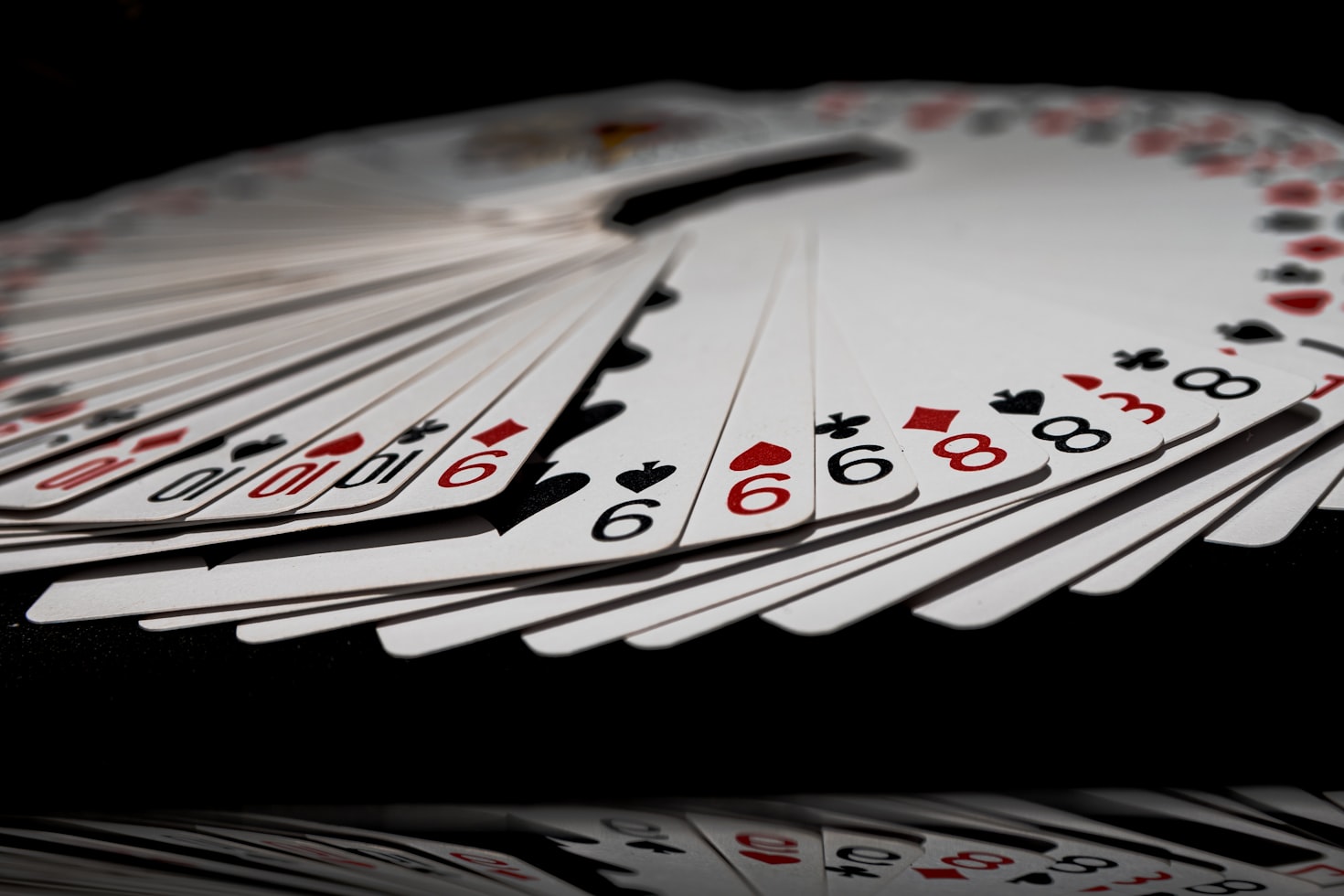
However, relying solely on skill doesn’t guarantee success. Even the most knowledgeable player will occasionally face outcomes determined by luck—like drawing from a bad deck or facing off against an incredibly lucky opponent. This duality highlights the complex nature of gambling and why it can be both exhilarating and exasperating. Ultimately, a balanced approach that acknowledges both components tends to be the most successful in navigating the gambling landscape, where the odds can shift dramatically in the blink of an eye.
The Psychology of Luck and Gambling
The psychology surrounding luck in gambling can significantly affect player behavior. Many gamblers tend to fall into cognitive biases, such as the illusion of control, where they believe they can influence outcomes through skill or rituals. For instance, a player might wear a specific shirt or perform a certain routine before placing a bet, convinced that these actions will bring them luck. This behavior is not only fascinating but reveals how deeply luck is intertwined with personal beliefs and perceptions of success. Such rituals can create a psychological comfort that players rely upon, often leading to more significant emotional investment in their gambling endeavors.
Moreover, the perception of luck can lead to the phenomenon known as the “gambler’s fallacy,” where individuals believe that past outcomes will influence future results. For example, if a roulette wheel has landed on red several times in a row, a player may assume that black is due for a win. This misconception can lead to irrational betting patterns and potential losses, as players may stake more significant amounts on what they believe to be a ‘hunch’ rather than on statistical probabilities. Understanding these psychological elements is crucial for players who wish to approach gambling more rationally and avoid common pitfalls.
The confidence that comes from believing in luck can also enhance the gambling experience by creating a sense of enjoyment and suspense. Players may find themselves more engaged and excited when they attribute their success to lucky breaks, resulting in a more memorable experience. However, it is essential for players to remain aware of how these psychological factors can influence their decisions and to develop strategies that keep them grounded in reality, balancing fun with caution. Acknowledging the role of luck while remaining mindful of one’s cognitive biases can foster a more responsible approach to gambling.
Trends in Online Gambling and Luck
The rise of online gambling has introduced a new dimension to the discussion of luck and success. With virtual platforms offering a wide array of games, players often encounter different odds and payout structures that can alter their experiences. Online slots, for instance, are designed to provide instant gratification, and the allure of winning big with a single click can heavily appeal to the notion of luck. Players often find themselves captivated by stories of huge online wins, which further fuels the belief in luck’s pivotal role. The convenience and accessibility of online gambling can amplify the thrill of chasing fortune, making it easier for players to engage in frequent betting.

However, the mechanics behind online games remain consistent with traditional gambling concepts. Random number generators ensure fairness and unpredictability, maintaining the essential element of luck. While players may feel they are mastering the gaming systems, the reality is that outcomes are still reliant on chance. This relationship can lead to skewed perceptions of skill versus luck, as players may attribute their successes more to their gaming strategies than to the inherent randomness of online platforms. It’s crucial for players to recognize that while online gambling may offer a different experience, the fundamental principles of luck remain unchanged.
As online gambling continues to evolve, it also brings forth questions regarding responsible gaming. With the ease of accessibility and the anonymity of online platforms, players may be prone to chase losses in the hopes of regaining what they’ve lost due to bad luck. This pursuit can lead to irresponsible gambling behaviors and financial distress. Therefore, understanding the role of luck and recognizing its limits is vital for maintaining a healthy relationship with online gambling. Players should be encouraged to set limits, recognize the signs of problematic gambling, and seek help if needed to ensure a balanced approach to their gaming habits.
Final Thoughts on Luck and Gambling
Ultimately, the question of whether luck can influence your success in gambling invites reflection on the broader aspects of chance, skill, and psychology. While luck undeniably plays a pivotal role in determining outcomes in gambling, it exists alongside strategy and skill, creating a rich and multifaceted environment for players. Understanding how these components interact can instill a more balanced approach to gambling, enhancing both the enjoyment and responsibility that players can maintain. Recognizing that luck is a significant but unpredictable element allows players to enjoy the game without losing sight of the strategic aspects.
As you delve deeper into the world of gambling, it’s essential to develop a personal philosophy that respects the precarious nature of luck while recognizing the benefits of skills and strategies. Engaging with gambling should be a pursuit of entertainment rather than solely a means of financial gain. Embracing luck as part of the experience allows for a more enjoyable journey while laying the groundwork for responsible gaming practices. Balancing enjoyment with caution can lead to a healthier relationship with gambling.
Remember that gambling is as much about the thrill of the game and the unpredictable nature of luck as it is about the strategies you employ. By recognizing the dual impact of luck and skill, players can navigate the gambling landscape more effectively, making informed decisions that enhance their overall experience. Ultimately, success in gambling is not solely about luck or skill; it’s about understanding the intricate relationship between the two and approaching the game with both excitement and prudence.