The Role of Luck in Casino Games
Luck has always been a fundamental element of gambling, leading many to contend that it profoundly influences outcomes in casino games. This notion of luck is especially salient in games of chance, such as slots, roulette, and baccarat, where players have little to no control over the final result. For instance, when spinning a slot machine, the outcome is determined entirely by random number generators, which is why some players are drawn to options like 14 dollar neosurf casino that offer different dynamics. Thus, the player’s choices do not affect the result, making luck a central determinant of success or failure in these scenarios.
However, it is crucial to differentiate between luck and skill, as their roles vary significantly across different games. In predominantly luck-based games, the players’ strategic input is minimal, while in skill-dependent games like poker and blackjack, a player’s ability to apply strategy and make informed decisions can greatly influence their success. For example, a poker player skilled at reading opponents might capitalize on their knowledge, potentially turning the tide in their favor, despite the randomness inherent in each hand.
Ultimately, individual perceptions of luck can differ widely among players. Some enter casinos with an unshakeable belief that luck will dictate their fortunes, while others prefer to adopt a more calculated approach, relying on strategy to enhance their chances. This interaction between luck and skill creates a captivating dynamic in casino games, heightening the thrill and unpredictability of each gaming session. As players continue to engage with these games, the impact of luck remains a topic of intrigue and speculation.
The Psychology of Luck and Gambling
The psychological effects of luck can significantly shape how players approach gambling. Many individuals attribute their victories and defeats to luck, resulting in a cycle of hope and disappointment. This belief can be particularly potent, fostering the optimism that fortune may favor them in future games. Such a mindset often leads to risky behaviors, like chasing losses, where players continue to gamble in the hope of reversing a downturn, convinced that luck is poised to change. This cycle can lead to both exhilarating highs and devastating lows, revealing the emotional rollercoaster that gambling often entails.
Cognitive biases, such as the illusion of control, further complicate this dynamic. Players may develop superstitions—such as donning specific outfits, performing rituals before playing, or consistently choosing certain numbers—believing that these actions can sway luck in their favor. While these behaviors might not statistically improve their odds, they provide a sense of agency and comfort in an arena primarily governed by chance. Psychological research has indicated that these beliefs can amplify the gambling experience, enhancing enjoyment even when they don’t directly translate into increased success. This psychological aspect of gambling can be both fascinating and troubling.
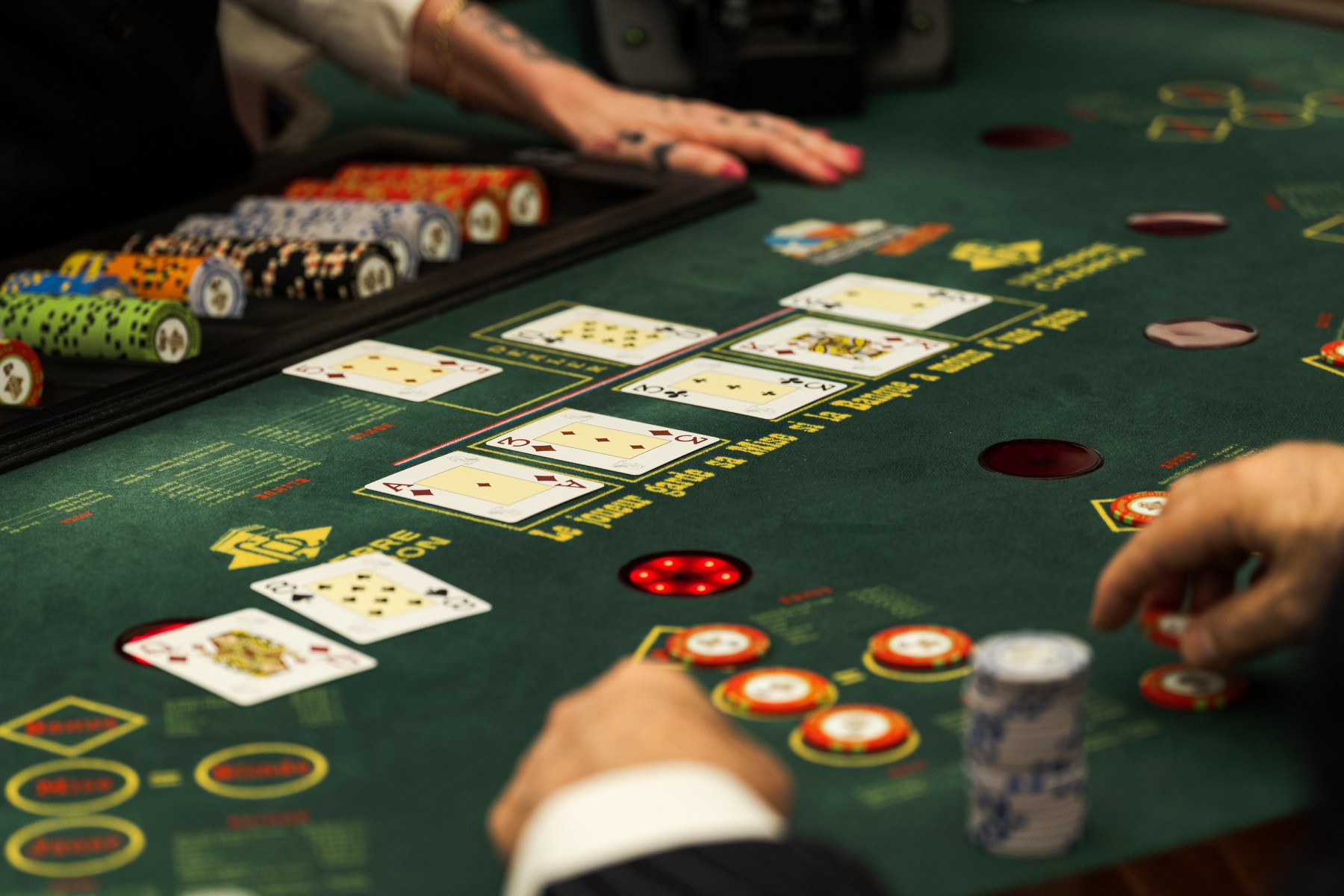
Moreover, the excitement of chance and uncertainty adds a thrilling layer to casino games. The anticipation of a potential win, fueled by the hope of luck, enriches the emotional experience of gambling. This blend of optimism, belief in fortune, and sporadic success creates an alluring environment, enticing players to return to the casino floor repeatedly, even in light of the inherent risks involved. In essence, luck serves not only as a determinant of outcomes but also as a driving force behind the addictive allure of gambling.
Luck vs. Skill: Finding the Balance
The delicate balance between luck and skill plays a pivotal role in determining a player’s long-term success in casino games. In games like poker, for instance, an experienced player can consistently outperform less skilled opponents, even when luck plays a part in individual hands. They employ strategies such as bluffing, reading opponents, and effective resource management. In these instances, while luck may influence the outcome of a single round, sustained success hinges on a player’s skill and strategic acumen. This underscores the importance of continuous learning and adapting one’s approach to enhance success over time.
Conversely, in pure games of chance like roulette, skill holds little relevance. Players make bets based solely on their predictions of where the ball will land, with luck being the predominant factor in determining winners. However, even in these luck-driven games, players often implement strategies like bankroll management, which can indirectly enhance their long-term success by minimizing the risk of losing all their funds. This underscores the necessity for players to grasp the nature of the games they engage with and recognize the varying degrees to which luck influences their outcomes. Understanding these dynamics can lead to more informed and responsible gambling behaviors.
Striking the right balance between luck and skill is essential for anyone serious about gambling. While controlling luck is impossible, players can improve their skills through practice and education, leading to better results. By analyzing the specific characteristics of the games they enjoy, players can appreciate that while luck may govern short-term results, strategy and knowledge are vital for achieving success over time. This understanding may empower players to approach their gaming experiences with a more balanced perspective, acknowledging both the role of luck and the importance of skill.
The Impact of Technology on Luck in Gambling
The emergence of technology has reshaped the gambling landscape, introducing advanced systems that modify the role of luck in casino games. Online casinos, for example, utilize sophisticated random number generators that ensure fairness and randomness. These systems guarantee that each spin or deal is entirely random, reinforcing the idea that luck is a significant factor in determining winners. However, this technological evolution has prompted discussions about the nature of luck itself, as players often wonder if algorithms could potentially favor specific outcomes or if they truly enhance the fairness of games.

Additionally, the popularity of live dealer games has bridged the gap between traditional and online gambling. Players can appreciate the thrill of a live game with real dealers while benefiting from technology that manages betting and outcomes. This fusion of classic and contemporary gaming not only enhances the overall experience but also emphasizes the unpredictability of luck, as every result relies on chance rather than predetermined conditions. As technology continues to advance, it will be intriguing to observe how it further shapes perceptions of luck in gambling and whether it leads to a more transparent gaming environment.
However, an increased reliance on technology also necessitates a focus on responsible gambling practices. With online gaming becoming more accessible, players may find themselves gambling more frequently, sometimes driven by the desire to outsmart luck. As the industry evolves, the importance of education surrounding responsible gambling becomes essential, reminding players that while luck is a factor, maintaining control over their gaming choices is crucial to a healthy gambling experience. This awareness can help mitigate the risks associated with gambling and promote a more sustainable approach to play.
Discovering More About Games of Chance
To truly understand the relationship between luck and success in casino games, it’s important for enthusiasts to seek credible information and insights. Websites dedicated to gambling education can offer valuable tips, strategies, and analyses of various games. These resources not only enhance players’ understanding but also empower them to navigate the intricate balance of luck and skill in their gambling endeavors. Being well-informed about games of chance can lead to more strategic decisions, ultimately contributing to a more enjoyable experience. Knowledge is a powerful tool that can help players make informed choices.
Engaging with communities of fellow players can also facilitate rich discussions that deepen the understanding of luck’s role in gambling. By sharing experiences and insights, players can learn from one another, cultivating a more nuanced approach to playing games. This collaborative atmosphere fosters a greater appreciation for the interplay between luck and skill, helping players to contextualize their wins and losses and refine their approaches accordingly. The shared experiences can provide valuable lessons that enhance one’s overall gaming strategy.
As you immerse yourself in the world of casino games, remember that while luck plays a significant role, it is not the sole determinant of success. By equipping yourself with knowledge and sharing insights with fellow gamblers, you can enhance your gaming experiences and potentially shift the odds in your favor. Understanding the complex relationship between luck and skill will undoubtedly enrich your journey into the captivating realm of gambling. The pursuit of knowledge combined with a mindful approach to luck can lead to a more rewarding gambling experience.